heritage
heritage

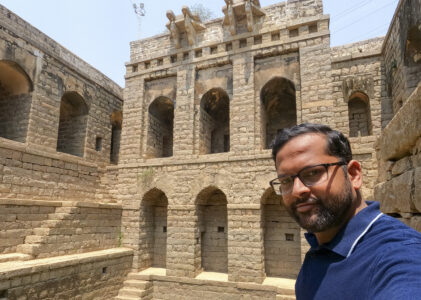
No Longer Forgotten, Lingampet Stepwell, Telangana

In 2018, I wrote about a stepwell in ruins: forgotten, overgrown and slowly fading away. I posted it on my blog and moved on, assuming it would vanish into the void of the internet. Six years later, I got a message out of the blue that stopped me in my tracks. A famous water conservation activist had come across my post, and it had played a part in the stepwell’s restoration. I was invited to the opening ceremony, as a guest, at the very site I had once called forgotten. It still doesn’t feel real.
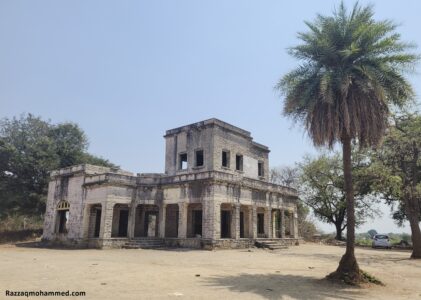
The Forgotten Guesthouse of Pocharam, Telangana, India

Standing on the upper floor of the abandoned guesthouse, my dad and I looked at the view in front of us. As my dad excitedly recounted tales of his childhood around these parts, I stared out at the beautiful and serene Pocharam Lake as it shimmered in the afternoon sun. My mind wandered back to the 70s and 80s and what this place might have looked like back then and slowly further back to the days of the Nizam when this building was used as a hunting lodge. Now, all that remains are the decaying walls and the stillness of its solitude.

Restoration of the Lingampet Stepwell, Telangana, India.

In one of my earlier posts that I wrote in September I shared about how a normal weekend turned out to be one of the most exciting ones of the year when I received a call from an architect from Hyderabad, India, who informed me that one of my blog posts from 2018 kickstarted a project to restore a centuries old stepwell in my ancestral village of Lingampet. This is an account of a trip to Lingampet that I made after that weekend.

Yale Historic Site and Hells Gate Airtram, BC, Canada

Did you know that just a short drive from Vancouver, there once existed a town straight out of the Wild West, complete with rowdy saloons and frequent gunfights? During the Fraser Canyon Gold Rush during the 1850s, Yale, which is only 175 kms from Vancouver, used to be a hub of lawlessness and violence. Today its a little town of around 150 people but at its peak during the gold rush its population was around 15000. The reason for its prominence at that time was because of its excellent location. It was situated at the head of river navigation and was also the start of the Cariboo Wagon Road, which is equivalent of todays Highway 1. One fine sunny day in September, I drove over to see for myself the excellently preserved historic site here.